
They Almost Get It
Hollywood is finally learning the manga playbook—but only halfway—by Stephen Schleicher
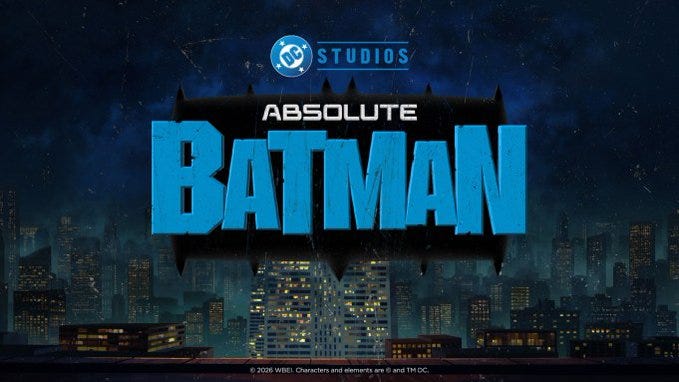
This week brought a flood of animation announcements from DC Studios, Warner Bros., Amazon, and Netflix.
At first glance, it looked like another parade of superheroes, reboots, and familiar franchises.
But buried inside those announcements was something much more interesting.
Parts of the industry are finally starting to understand why the manga-to-anime pipeline works.
They just haven’t figured out the whole thing yet.
THE LESSON
DC Studios announced a new slate of animated projects this week:
Absolute Batman
My Adventures with Green Lantern
Joker: Laugh Riot
Krypto
Mister Miracle
Starfire!
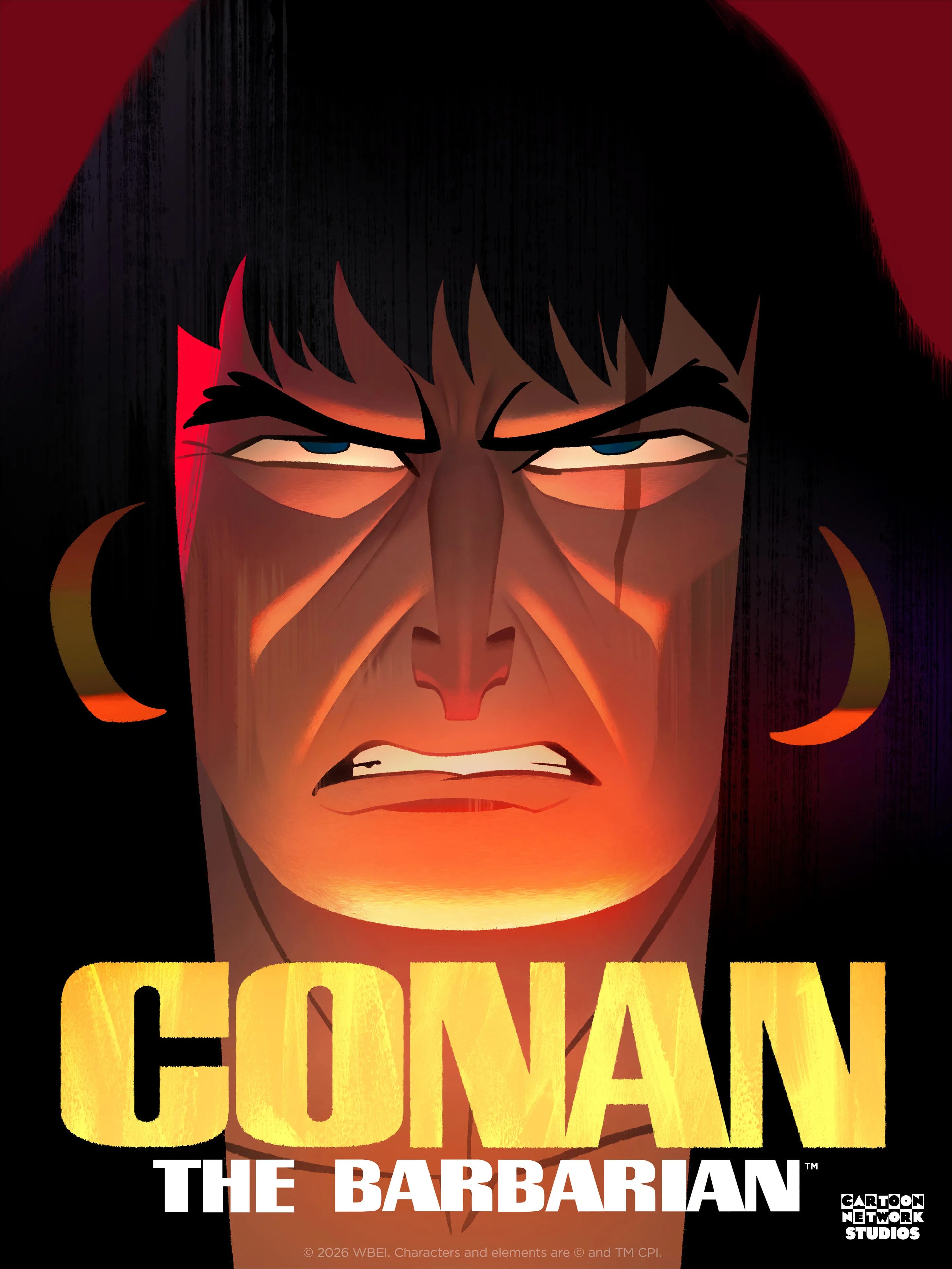
Meanwhile, Amazon announced Genndy Tartakovsky’s long-awaited adaptation of Conan: Queen of the Black Coast. Netflix revealed The One Piece, a fresh adaptation of Eiichiro Oda’s original manga, while Sony Pictures Animation unveiled Ghostbusters: Night Shift. Even Invincible is already headed toward a sixth season.
That’s a lot of animation.
But not all of these shows are trying to accomplish the same thing.
Let’s split them into two groups.
Blueprint Adaptations
These all have one thing in common.
If someone enjoys the show and wants more, there’s already a book waiting for them.
Absolute Batman adapts Scott Snyder and Nick Dragotta’s reimagining of Bruce Wayne.
Mister Miracle adapts Tom King’s Eisner Award-winning series.
Get Jiro adapts Anthony Bourdain’s dystopian chef noir.
Conan: Queen of the Black Coast goes back to Robert E. Howard’s most famous Conan story.
The One Piece starts over at Volume One of Eiichiro Oda’s manga.
That’s the manga model.
Watch the show.
Read the book.
Come back next season.
Brand Adaptations
The second group takes a different approach.
Instead of adapting a comic, these shows create brand-new stories around familiar characters.
Joker: Laugh Riot imagines a world where Batman has been murdered.
My Adventures with Green Lantern reimagines Jessica Cruz as the lead in a magical-girl-inspired story.
Starfire! tells entirely new adventures.
Krypto builds a new corner of the DC Universe around Superman’s dog.
Creature Commandos continues James Gunn’s animated universe.
Batman: Caped Crusader creates original detective stories inspired by decades of Batman comics.
Ghostbusters: Night Shift expands that universe with an all-new sequel.
There’s nothing wrong with that.
Some of these may turn out to be fantastic.
But once the credits roll…
…where do those viewers go?
Manga doesn’t just sell anime.
Anime sells the next volume.
If someone watches The One Piece, they can pick up Volume One and keep going.
If someone watches Absolute Batman, they can buy the Snyder and Dragotta series and continue the exact same story.
The adaptation isn’t the finish line.
It’s the invitation.
Now think about the second group.
If someone falls in love with My Adventures with Green Lantern, they won’t find that version of Jessica Cruz in the comics.
If Joker: Laugh Riot becomes a breakout hit, there isn’t a collected edition sitting on a bookstore shelf waiting for readers to continue that exact story.
The characters exist.
The stories don’t.
That’s the difference.
One approach grows readers.
The other grows viewers.
Don’t misunderstand me.
I’m not arguing every adaptation should faithfully recreate its source material.
Some of the greatest comic book movies ever made took enormous liberties.
But if publishers want animation to help grow comics—not just the brand—they should start asking one simple question:
When the credits roll… where does the audience go next?
This is the lesson manga has been teaching Hollywood for years.
The adaptation isn’t just entertainment.
It’s an invitation to start reading.
At the end of the week, I’m actually encouraged.
The industry is finally starting to realize animation can do more than introduce people to characters.
It can introduce them to comics.
Now it just has to finish the lesson.
Cheers,
Stephen Schleicher
This was interesting. The animation creates the fan. The comic keeps the fan engaged. That’s a pretty compelling ecosystem.
Such a great piece. Hollywood is learning the playbook for sure.